#Product Trends
Grace Atelier by Ceramiche Keope: New Geographies of Material
A journey through European stone-inspired designs and signature geometries by Margherita Rui
A journey through Europe’s geological treasures. A design tool where material and decoration come together harmoniously. A collection divided into three distinct lines—Grace, Grace Fossil, and Grace Lithos—offering architects and interior designers a versatile and integrated material system centered on the timeless allure of stone
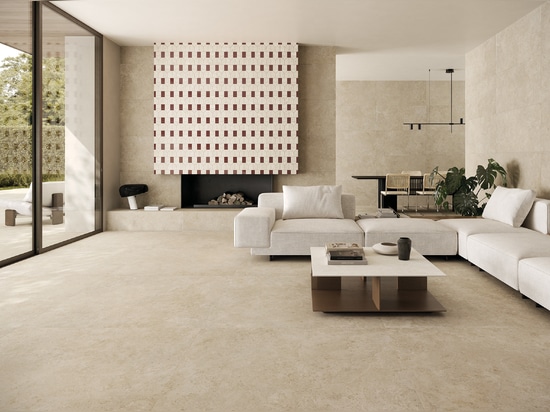
This is the identity of Grace Atelier, the new collection from Ceramiche Keope, born from in-depth stylistic research and conceived as a comprehensive design tool capable of combining the visual appeal of its inspirational materials with the high performance of durable, contemporary Porcelain tile. The project is built on four pillars: the deep synergy within the collection, enabling the creation of multi-material projects; the progressive evolution of graphics and textures; a versatile color palette; and signature mosaics, which introduce decoration as an integral part of the architectural language. These elements allow the different facets of Grace Atelier to interact while each retains its own identity.
Three identities, a single material journey
Harmony is Grace Atelier’s greatest strength. Ceramiche Keope brings together geographically distant inspirations, allowing them to interact within the same color spectrum and creating a journey that spans Europe and explores different expressions of materials.
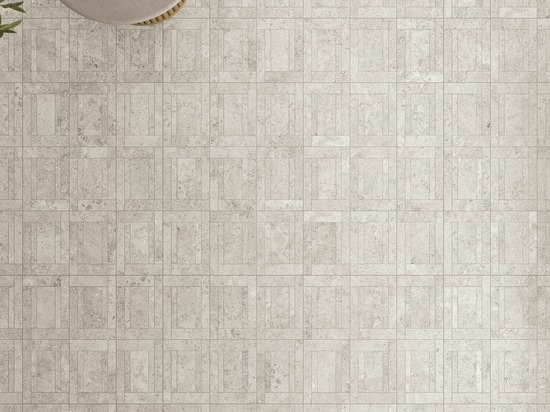
The starting point is Grace, a collection already part of the Keope universe, inspired by the French limestone of Saint Antoine d’Auberoche, whose understated elegance it interprets through a pure, essential, and ethereal design, accented by the finest sandblasted textures. It is the Atelier’s most minimalist expression—a discreet and versatile surface that serves as the foundation from which the entire journey begins.
Alongside this is the new Grace Fossil, which marks an evolution toward greater graphic and textural richness. The collection arises from the encounter between British Portland Stone—the historic stone of Buckingham Palace—and Bavarian Jura Stone, characterized by fascinating fossil inclusions. The background thus gains greater depth through detailed textures, primordial traces, and subtle cloud-like patterns, while maintaining the balance that unifies the entire system.
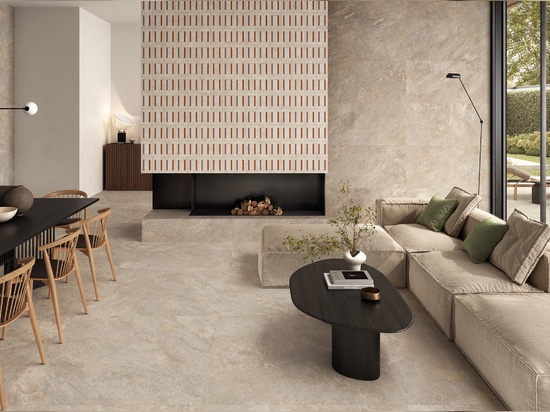
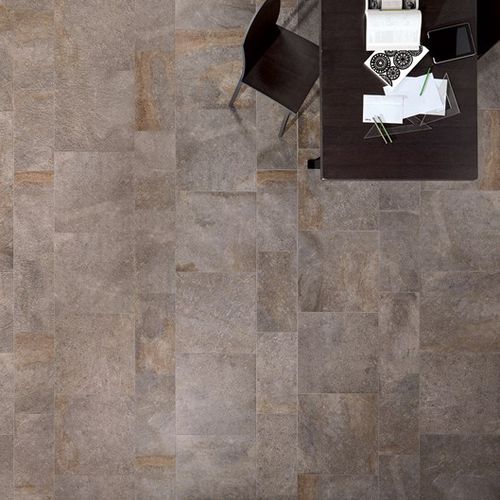
The journey concludes in the Alps with the new Grace Lithos, inspired by Villeneuve quartzite, which brings Grace Atelier to its fullest expressive potential. The collection explores the same geological inspiration through two complementary designs: Essential, characterized by realistic split-face textures and a rigorous tone-on-tone balance, and Wild, more intense and textured, featuring bold contrasts, deep veining, and brilliant reflections.
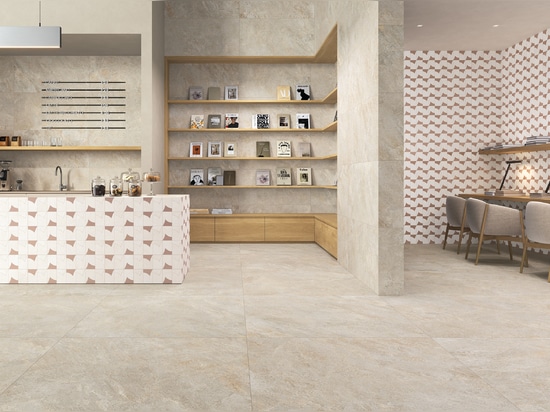
This outlines a true visual and tactile evolution: from the graphic purity of Grace to the greater depth of Grace Fossil, all the way to the bolder character of Grace Lithos. This gradual progression allows you to choose different levels of intensity or combine them within the same project, creating spaces that are both varied and cohesive.
Unifying the entire project is the color palette, conceived as a true stylistic key to foster harmonious combinations among the different textures. The palette ranges from luminous, ethereal hues to more neutral, dusty grays, culminating in warm, magnetic, and sculptural shades.
Fragments of Grace: Decoration Becomes Architecture
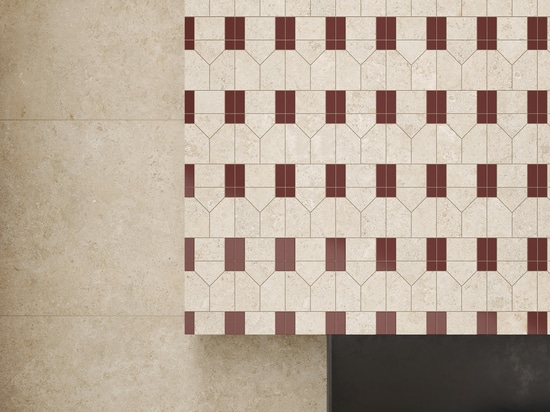
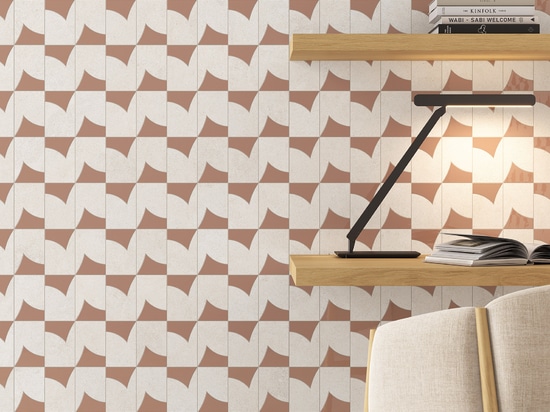
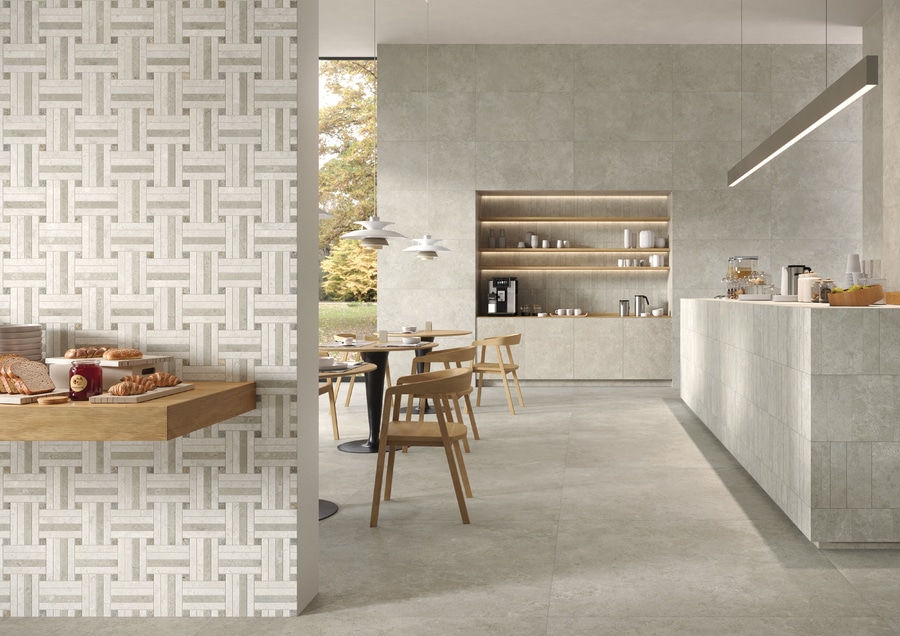
Rounding out the vision set forth by Grace Atelier is “Fragments of Grace,” a mosaic project conceived by designer and creative director Margherita Rui in collaboration with Ceramiche Keope. The collection balances the rigor of Modernism with the visual richness and geometries of Art Deco, making decoration an authentic design element.
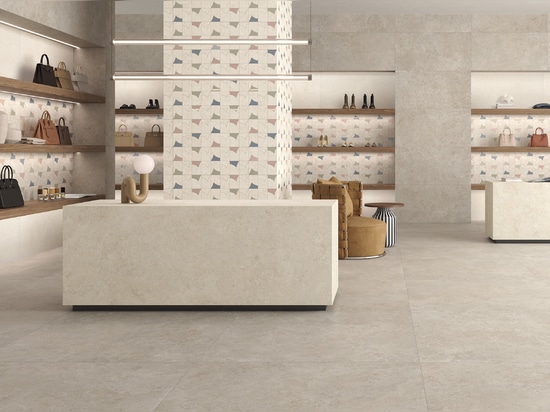
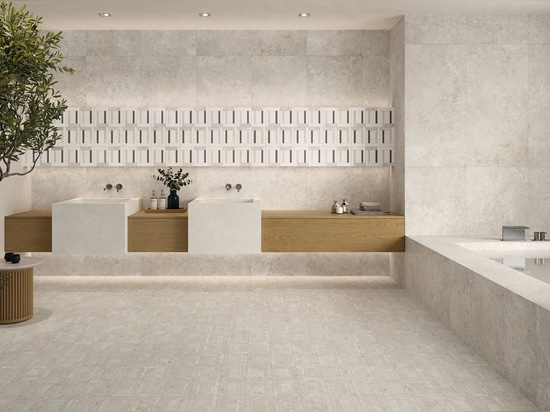
Built around a mosaic module that cuts across the Atelier’s collections, Fragments of Grace is divided into four collections—Tressé, Domus, Avenue, and Pince—in which material, light, and rhythm blend through interlacing patterns, geometric shapes, metallic details, and exquisite glossy enamel backgrounds. The mosaic thus transcends its purely ornamental role to become a genuine element of architectural language, capable of further connecting the different facets of the system.
With Grace Atelier, Ceramiche Keope places stone-inspired design at the heart of an eclectic and versatile design approach, offering architects and interior designers a tool in which material, color, and decoration interact naturally. A project that begins with the understated elegance of Grace and now expands with Grace Fossil and Grace Lithos, ultimately merging with the signature geometries of Fragments of Grace to form a unique and multifaceted language for contemporary architecture.