#Product Trends
Is Phenolic Laminate Board the Same as Melamine Board?
Is Phenolic Laminate Board the Same as Melamine Board?
In the world of modern interior design and construction, selecting the right materials for furniture and surface finishes is critical. Among the many options available, phenolic laminate boards and melamine boards are two of the most frequently compared materials. While they may appear similar at first glance, these materials differ significantly in their composition, applications, and durability. In this article, we will explore the key differences between phenolic laminate boards and melamine boards to help you make an informed decision for your next project.
What is a Phenolic Laminate Board?
Composition and Structure of Phenolic Laminate
Phenolic laminate is a high-pressure laminate (HPL) consisting of multiple layers of kraft paper impregnated with phenolic resin. These layers are fused together under extreme heat and pressure, resulting in a dense, non-porous, and highly durable board. Phenolic laminate is typically available in thicknesses ranging from 2mm to 25mm, making it a popular choice for heavy-duty applications.
65f79b05-704a-426e-a8b8-9ecba372de8a.
Properties and Characteristics of Phenolic Laminate
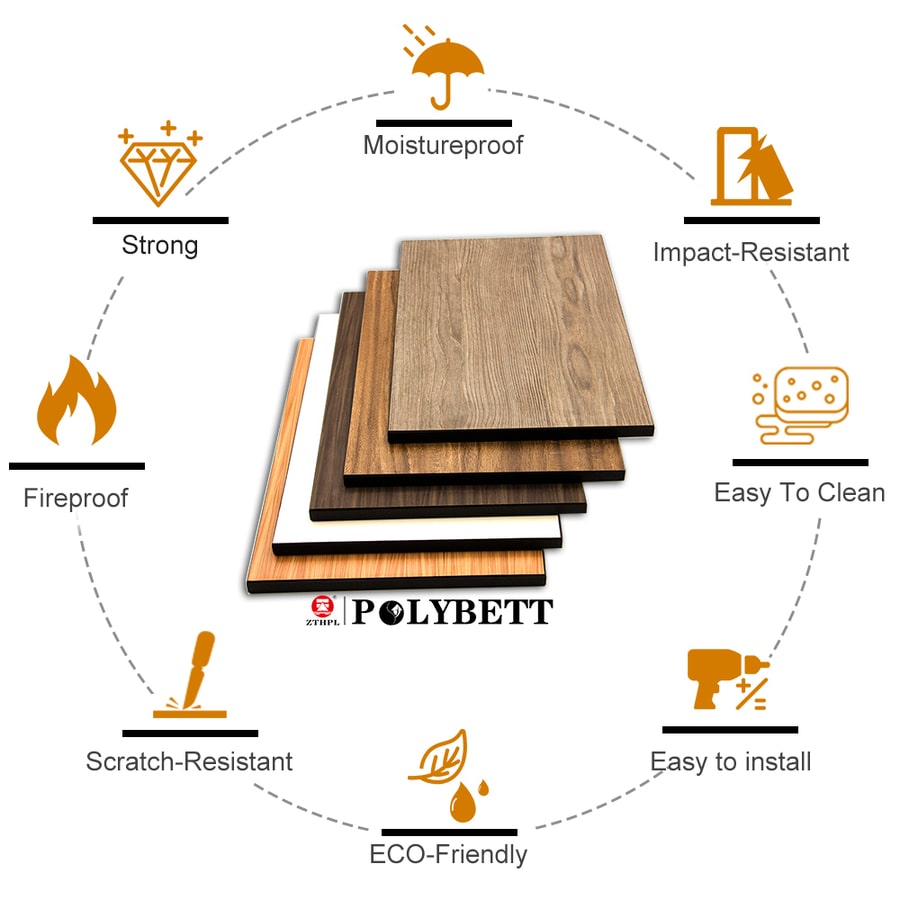
Water Resistance: Phenolic laminate is fully waterproof due to its solid core, making it suitable for use in wet environments such as bathrooms, kitchens, and outdoor spaces.
Durability: With its high resistance to impact, scratches, and wear, phenolic laminate is a long-lasting material ideal for high-traffic areas.
Hygienic Surface: The non-porous nature of phenolic laminate prevents the growth of mold, bacteria, and fungi, making it easy to clean and maintain.
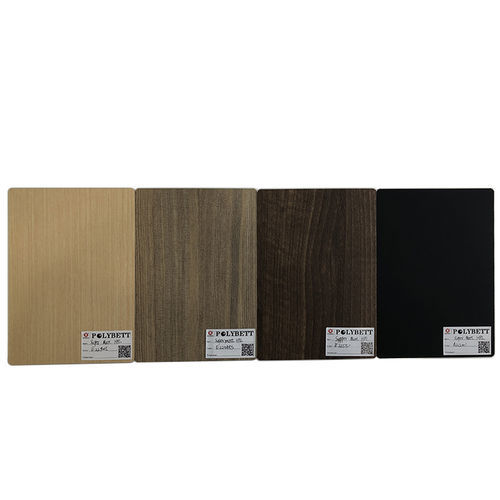
Aesthetic Flexibility: Phenolic laminate comes in a wide range of colors, textures, and finishes, allowing for customization to suit any design aesthetic.
Common Applications of Phenolic Laminate
Bathroom partitions
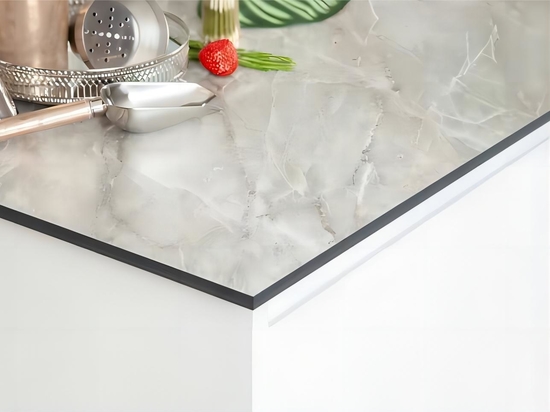
Kitchen countertops
Laboratory surfaces
Outdoor furniture
Wall cladding
What is a Melamine Board?
Composition and Structure of Melamine Board
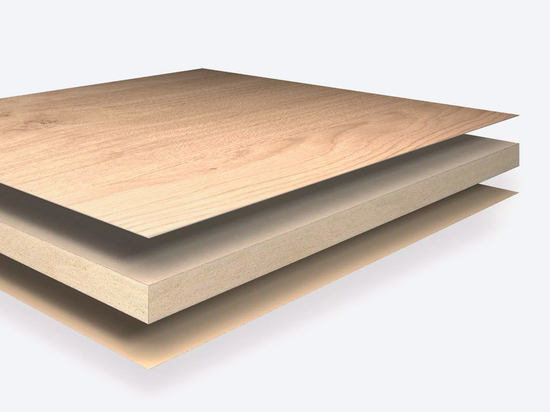
Melamine board, often referred to as melamine-faced board (MFC), is a type of particleboard or medium-density fiberboard (MDF) that is coated with a decorative melamine resin-impregnated paper. The melamine surface provides a smooth and durable finish, but the core is generally made from wood particles or fibers, making it less dense than phenolic laminate.
t013f8eb64ef8227e47
Properties and Characteristics of Melamine Board
Cost-Effective: Melamine boards are more affordable compared to phenolic laminate, making them a popular choice for budget-conscious projects.
Variety of Finishes: Like phenolic laminate, melamine boards are available in a wide range of colors and patterns, including wood grain and solid colors.
Moderate Durability: While melamine is resistant to scratches and stains, its particleboard or MDF core is susceptible to moisture damage if not sealed properly.
Ease of Use: Melamine boards are lighter and easier to cut, making them suitable for DIY projects and cabinetry.
Common Applications of Melamine Board
Kitchen cabinets
Office furniture
Wardrobes
Shelving units
Interior wall paneling
Phenolic Laminate vs. Melamine Board: Key Differences
Feature Phenolic Laminate Melamine Board
Core Material Solid kraft paper with phenolic resin Particleboard or MDF
Thickness Range 2mm to 25mm Typically 12mm to 18mm
Water Resistance Fully waterproof Prone to water damage unless sealed
Durability Extremely durable, impact and scratch-resistant Moderate durability, prone to chipping
Cost More expensive More affordable
Applications Heavy-duty and high-traffic areas Interior furniture and cabinetry
Aesthetic Options Wide range of textures and finishes Available in various finishes, less textured
Maintenance Easy to clean, highly resistant to staining Requires careful maintenance to avoid damage
Which One Should You Choose?
The decision between phenolic laminate and melamine board depends on your specific project requirements. If you need a material that can withstand high moisture levels, heavy wear, or outdoor conditions, phenolic laminate is the superior choice due to its durability and water resistance. However, if you're working on an interior project with a tight budget, melamine board offers a cost-effective solution with a wide range of aesthetic options.
Conclusion
Understanding the differences between phenolic laminate and melamine boards is essential for choosing the right material for your project. Phenolic laminate excels in durability, water resistance, and longevity, while melamine boards are budget-friendly and versatile for interior applications. By evaluating the needs of your project, you can select the material that best aligns with your design goals and functional requirements.