#Product Trends
100mm Down to 20mm — and More Energy-Efficient? Premium RVs Are Switching to Fumed-Silica VIPs
Gain Extra Living Space Without Compromising Thermal‑Insulation Performance
Your RV insulation is already 100mm thick.
So why is it still freezing inside in winter, and basically an oven in summer?
Because piling on thickness doesn’t magically give you “warm in winter, cool in summer.” Sometimes the material itself has simply hit its limit.
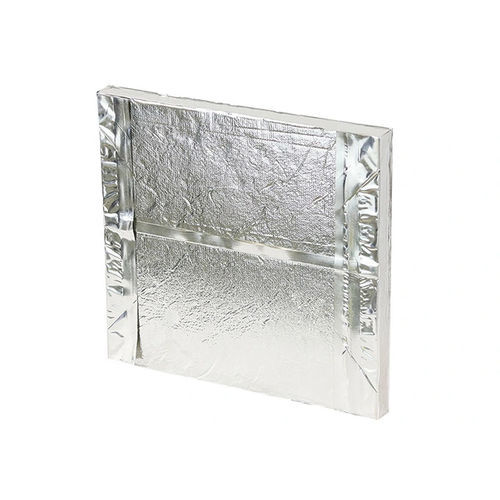
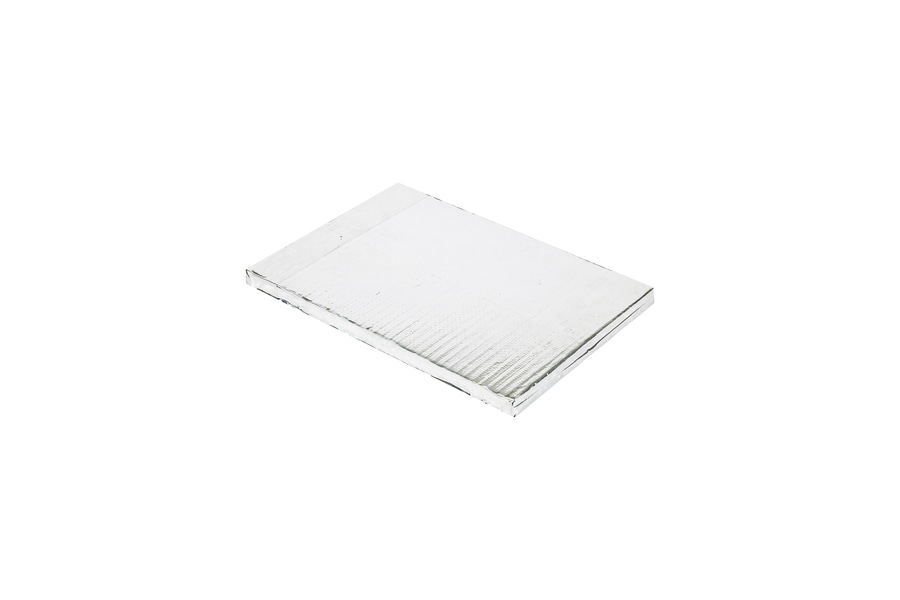
For premium RV insulation upgrades, fumed-silica vacuum insulation panels are getting serious attention. Thermal conductivity goes as low as 0.0045 W/(m·K), so in typical applications you can get the same insulation with way less thickness — and get valuable interior space back.
Picture the Gobi Desert in winter, 20 degrees below zero. Maybe you’re taking an RV on an Antarctic expedition or pushing it to the limit in the middle of nowhere. You’ve already packed in 100mm of insulation. The heater has been running for two hours, and the wall still feels cold. That usually isn’t a heater problem. It’s the insulation material hitting its ceiling.
Polyurethane, XPS, fiberglass wool — traditional insulation has the same basic problem: Want better insulation? Add more thickness. Want it lighter and slimmer? You usually give up thermal performance. And in an RV — literally a home on wheels — that trade-off hurts.
Then fumed-silica VIPs showed up.