#Product Trends
How To Install R290 Heat Pump At Home
For Residential Home Heating And Cooling Scenarios
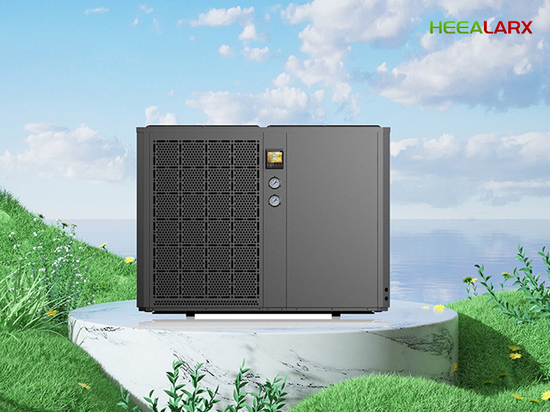
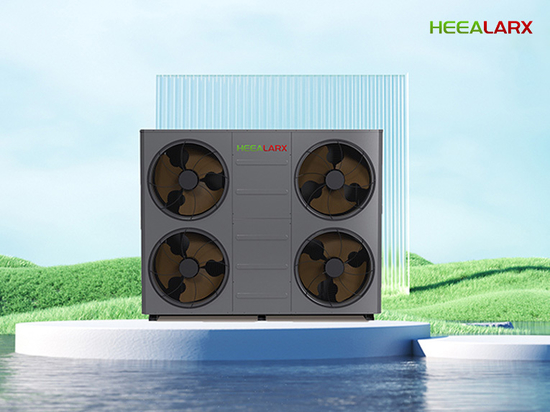
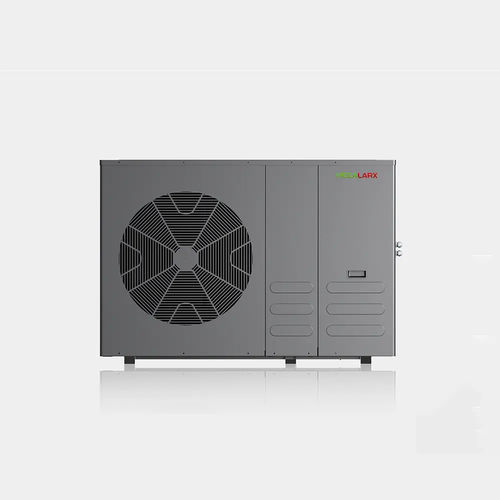
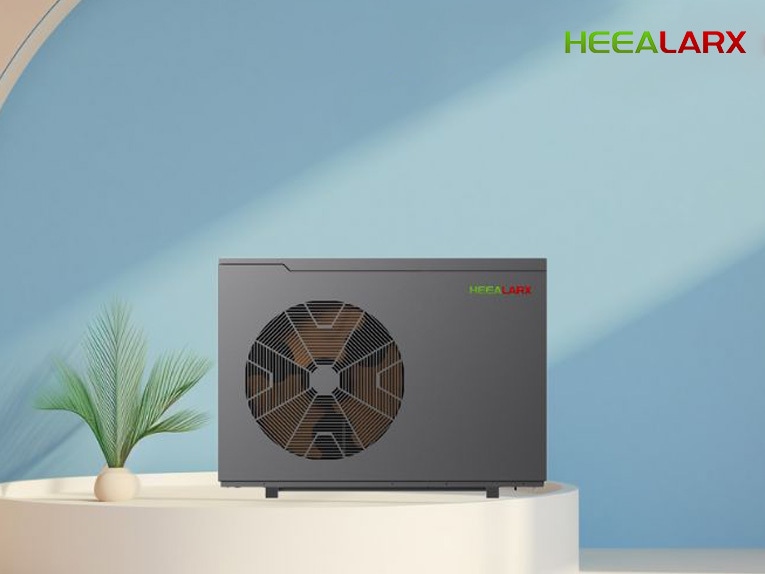
The R290 heat pump, an air-source model lauded for complying with the EU’s regulation to phase out global warming/ozone-depleting substances, boasts low GWP, environmental sustainability, high efficiency, and high-temperature capabilities—making it promising for the EU’s future heat pump market. However, it has an A3 flammability rating (risk of combustion/explosion near open flames if leaked), so cautious installation is critical to reduce risks, protect safety, and ensure a comfortable home. Pre-installation steps include choosing a well-ventilated, rain-shielded location for the main unit, building a 10-15cm cement platform (for outdoor use) or cleaning the placement area, and preparing matching connecting pipes based on the pump’s model.
Most trusted R290 heat pump manufacturers offer professional installation, but for DIY or non-pro installs, key steps are: unpacking carefully (checking for damage/model match and normal pressure gauge reading), verifying internal components, loosening the smart display control panel, connecting the water system (pump, valve, filter, noting inlet/outlet and high-voltage ports), wiring the circuit per diagrams, testing the water system for leaks, and debugging (turning on via controller to test heating/cooling and monitor for abnormal sounds/leaks). Proper installation, plus regular maintenance, minimizes leakage risks from the pump’s high flammability.