#Industry News
Easter trends in urban spaces: shaping spring arrangements
Although winter decorations are still present in many cities, planning for spring arrangements has already begun. Easter is often the first moment when public spaces start to visually shift towards lighter, seasonal forms.
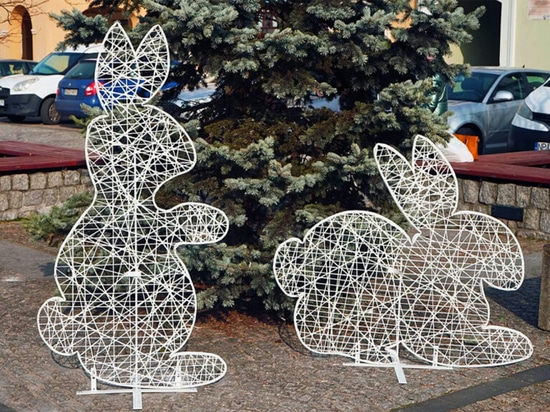
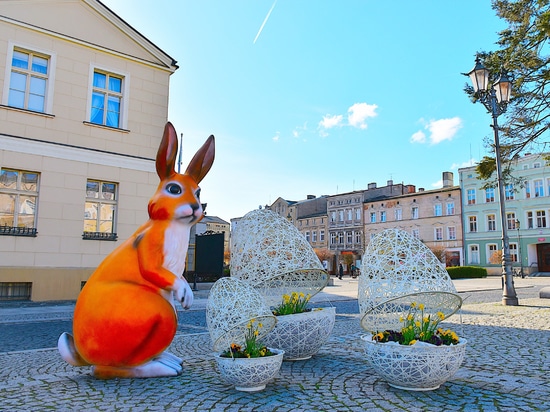
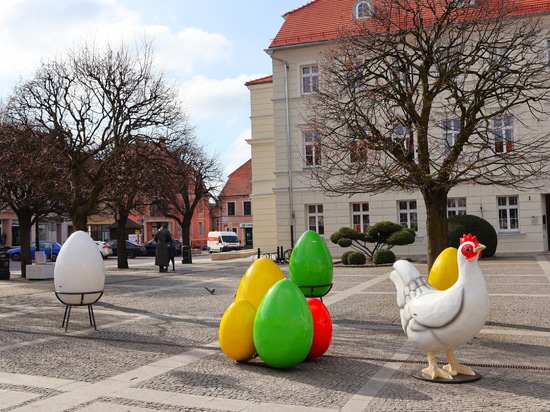
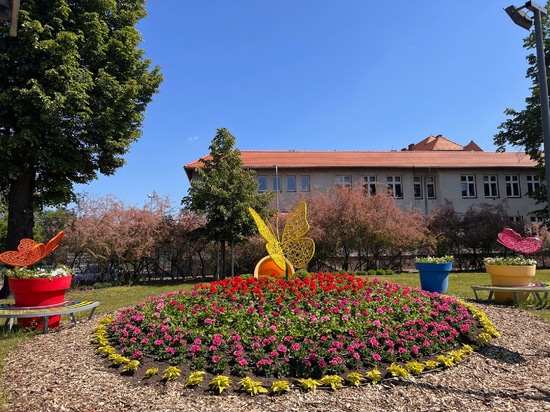
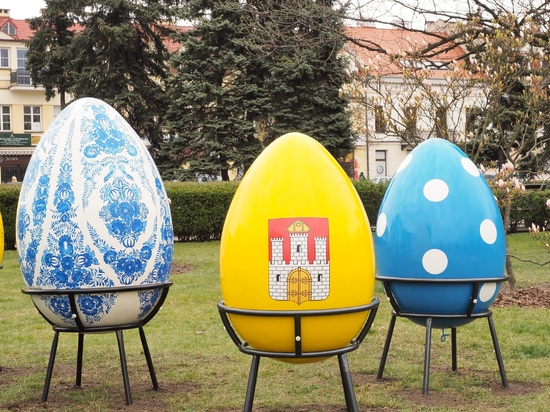
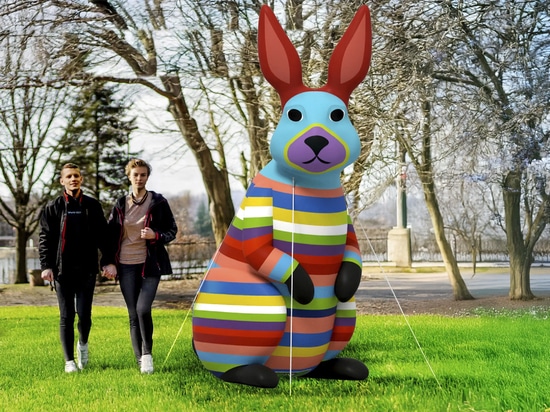
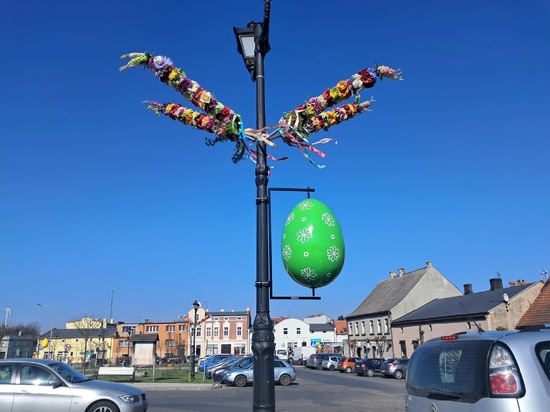
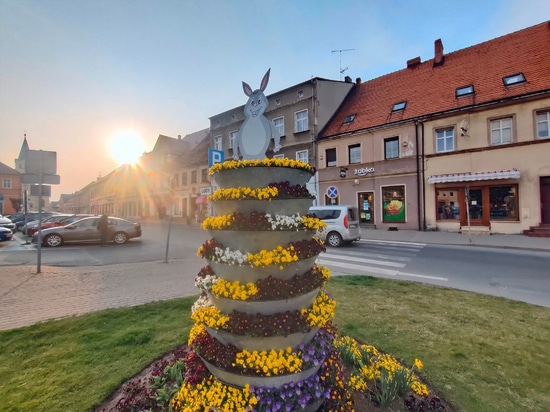
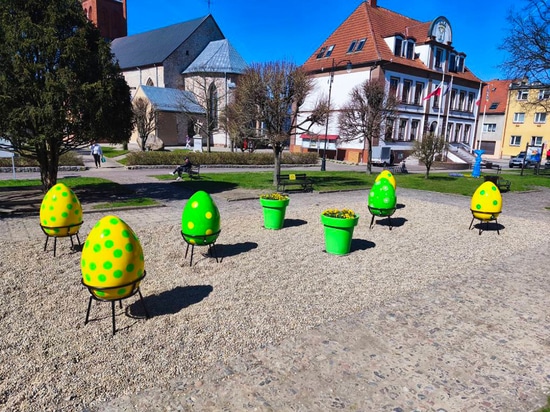
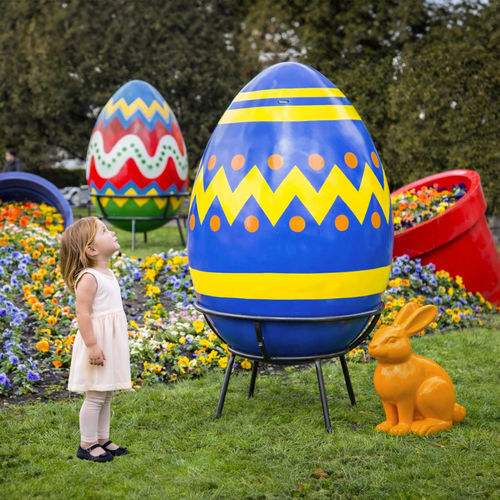
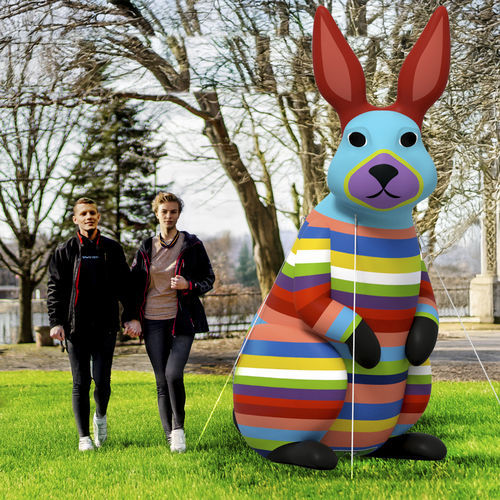
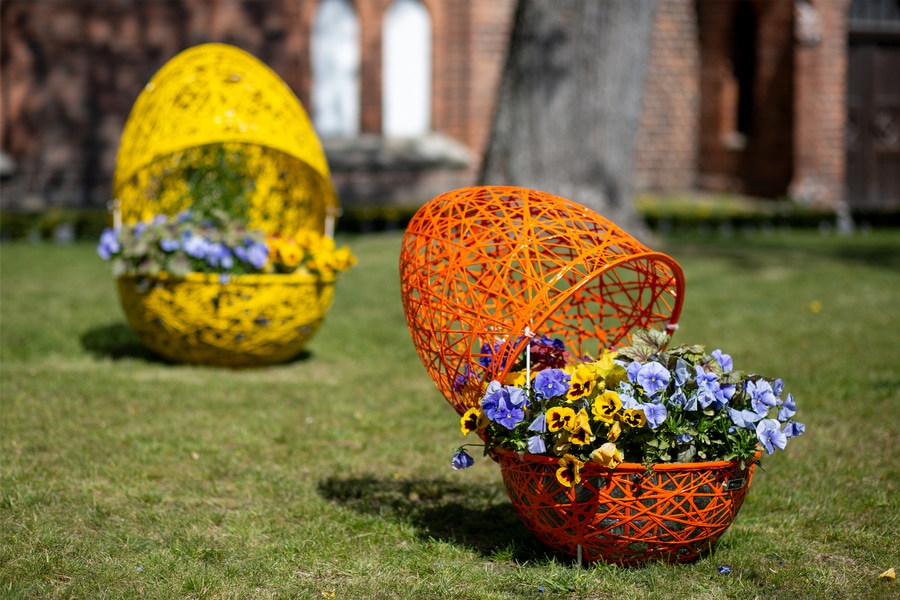
One of the key trends is the use of clearly defined decorative elements to signal the arrival of spring. Easter eggs, sculptural forms and flat decorative panels are commonly used as focal points that help organise space and create a clear seasonal identity. Instead of filling areas with numerous small details, cities tend to focus on a limited number of larger elements that remain legible from a distance and work well within open urban settings.
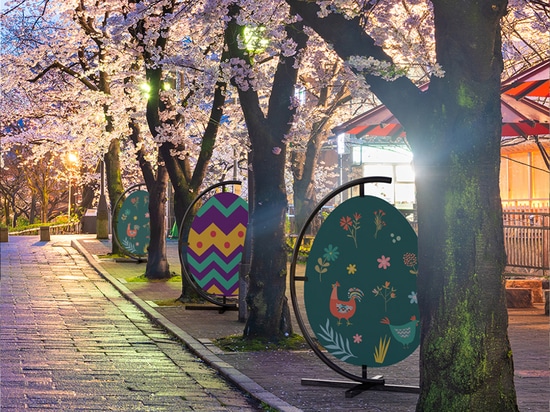
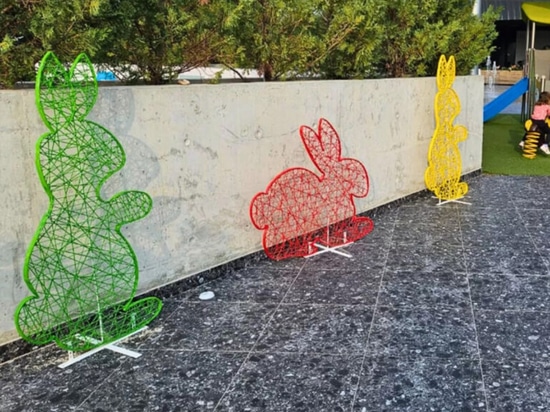
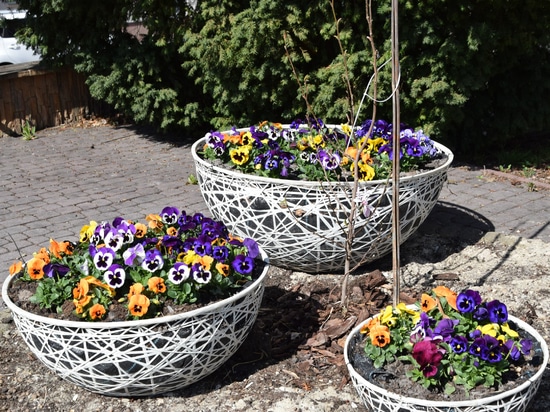
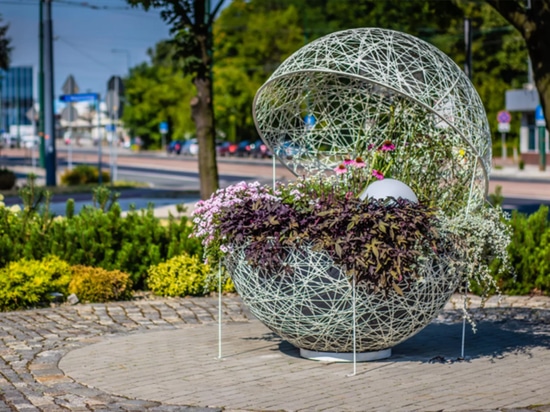
Material choice also plays an important role. Openwork constructions and flat decorative panels (eg. dibond) are favoured for their light visual impact and adaptability. These elements work well in daylight, integrate easily with urban greenery and allow for flexible composition — whether used as standalone features or combined into modular sets. Their neutral, often pastel or nature-inspired finishes help Easter arrangements blend seamlessly with surrounding architecture.
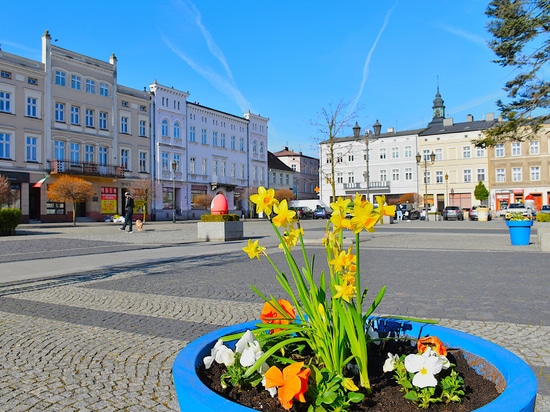
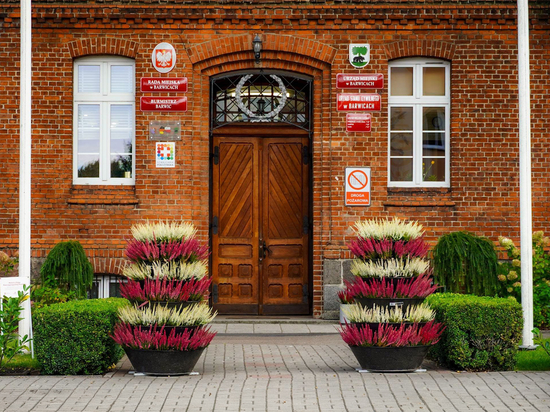
Overall, current Easter trends point towards calm, well-considered compositions that support the seasonal rhythm of public spaces. A limited number of strong decorative forms, combined with thoughtfully introduced colour accents, allows cities to create spring arrangements that feel coherent, contemporary and adaptable — even while winter is still coming to an end.