
#Product Trends
The Truth About UV Ratings and What They Really Mean for Your Shade
Your outdoor sun shade living real matters in Hengfeng
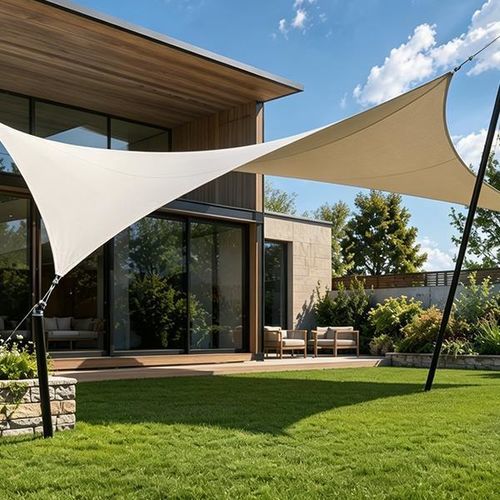
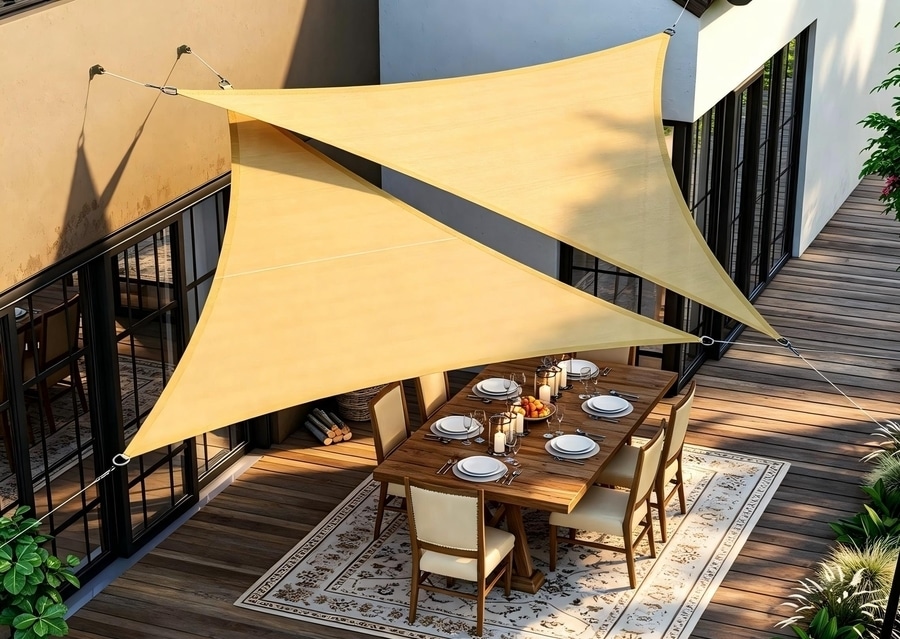
Everyone in the world loves the sun, but we also know it’s something to respect. Whether you’re relaxing beneath an umbrella at the beach or sharing a meal on the patio under a shade sail, the real question isn’t if you’re getting shade, it’s how much protection that shade provides. Understanding UV ratings helps you make smarter choices about how to stay safe, cool and comfortable outdoors.
1) What Exactly Is a UVE Rating?
UVE stands for Ultraviolet Effectiveness, which measures how well a shade fabric blocks ultraviolet (UV) rays. The higher the percentage, the stronger the protection.UV radiation comes in two types: UVA, which penetrates deeply and causes skin ageing, and UVB, which burns the skin’s surface. UVE testing measures protection against both, giving a complete picture of how well your shade fabric shields you outdoors.Hengfeng sun protection shade products are tested to deliver up to UVE 98%+ protection. This means your shade is not only comfortable, but also scientifically proven to block more than 98% of harmful UV radiation while fostering airflow to keep you cooler.Hengfeng 's 30%, 50%, and 70% shade cloth is best suited for situations where sun protection for people or pets is not needed. These options work well for projects such as fence screening, garden shading, or greenhouse covers.
2) UVE,UPF and SPF: What’s the Difference?
You’ve probably seen UPF on clothing tags. It stands for Ultraviolet Protection Factor and measures how much UV light gets through fabric when worn close to the skin.Shade structures, however, are different. Light can scatter and bounce from the sides or ground, so UVE testing was developed to measure how well shade fabric performs in open environments such as gardens, decks and playgrounds.In short, UPF is perfect for clothing, while UVE is the gold standard for shade structures like umbrellas, sails, outdoor blinds and shade fabrics.SPF (Sun Protection Factor) applies only to sunscreen and skincare products. It measures how long a product can protect skin from UVB rays, the type that causes sunburn, compared to unprotected skin. Unlike UPF and UVE, SPF doesn’t involve fabric at all; it’s about chemical or mineral barriers on the skin.
3) How Shade Fabrics Are Tested:
Hengfeng fabrics are solution dyed and UV stabilised, meaning colour and protection are built into every fibre. Even after years in tough conditions, they continue to perform effectively. Real sun protection should never be temporary.
What Good Shade Looks Like,When choosing shade for your home, look for:
80–90.9% UVE: Effective
91–94.9% UVE: Very effective
95% and above: Most effective
UVE 95%+ rating: The benchmark for strong UV protection
Breathable construction: Fabrics that foster airflow and stay cooler underneath
Durable fibres: Solution-dyed fabrics that resist fading, mould and mildew
4) The Bottom Line:
Sunscreen helps, and so do hats and long sleeves. But when you want to spend more time outside, sharing lunch, working from the deck or watching the kids play, shade is the protection that never wears off.And when that shade is Hengfeng, it’s engineered and tested to provide reliable coverage for people, pets, and the spaces you love.Explore Hengfeng Shade Solutions:Ready to make outdoor living safer and more comfortable? Discover the range of Hengfeng shade options designed for lasting protection.
5) Disclaimer:WARNING: SHADE DOES NOT PROVIDE 100% PROTECTION
Hengfeng fabric is tested to meet the highest UV effectiveness, but some UV can still reach you in the shade by reflecting off surrounding surfaces. Always combine shade with clothing, sunscreen, a hat and sunglasses.