
#Product Trends
Shade Sails: Tensioned Fabric Shading for Modern Outdoor Spaces
Transform Your Outdoor Living Space with High-Performance Tensile Shade
Shade Sails: Tensioned Fabric Shading for Modern Outdoor Spaces
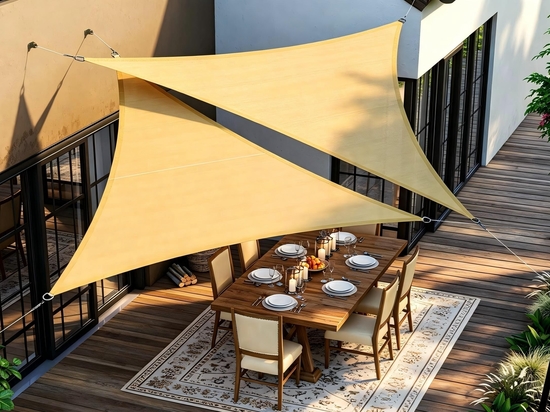
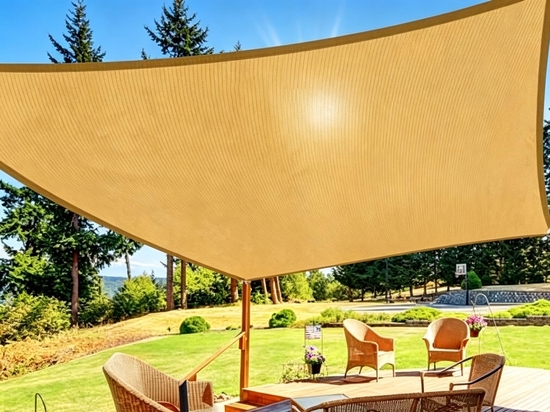
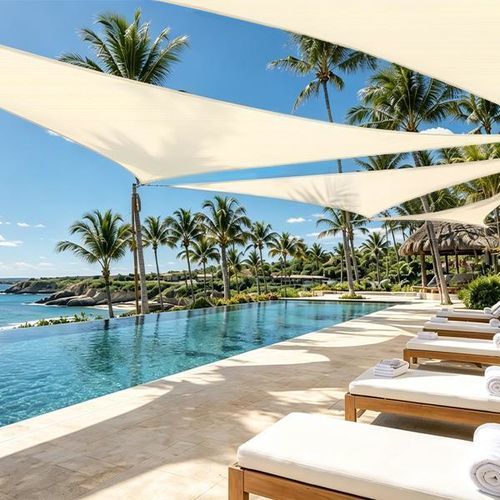
Shade sails, also known as sun sails, are tensioned fabric canopies stretched between fixed anchor points to create attractive, functional shaded zones for residential and commercial outdoor areas. Originating from tensile membrane architecture, they have become one of the fastest-growing outdoor shading solutions across North America, Europe, Australia and the Middle East.
Core Material & Performance
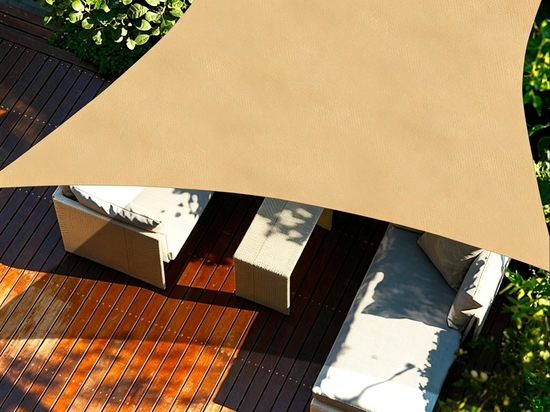
Most standard shade sails are manufactured from **UV-stabilized HDPE (High Density Polyethylene)** knitted fabric, the industry preferred material. Premium grades are virgin HDPE, normally 180–200 GSM, with UV additives blended into the polymer rather than only surface coating. Good quality HDPE sails block **90–98% of harmful UVA/UVB rays (UPF50+)**, while remaining air-permeable. Airflow passes through the mesh, lowering ambient temperature under the sail by up to 15°F and avoiding wind ballooning. Because the fabric is permeable, rainwater can drip through, so HDPE shade sails are **not fully waterproof**.
Waterproof alternatives use PU-coated polyester. Polyester sails can shed rain, but they trap more heat, require steeper installation angles (20–40°) to prevent water pooling, and usually have shorter service life under strong continuous UV exposure.
Design & Construction Details
Shade sails come in triangle, square, rectangle and custom trapezoidal shapes. Professional sails adopt **catenary curved edges** (curved inward), a critical feature. Straight edges will deform under tension and tear easily. Reinforced hems, multi-layer stitching and heavy-duty webbing connect the fabric to stainless steel D-rings at each corner. The corners are the highest stress points; 304 or 316 stainless hardware is strongly recommended for coastal, high humidity and salt-air environments to resist corrosion.
Application Scenarios
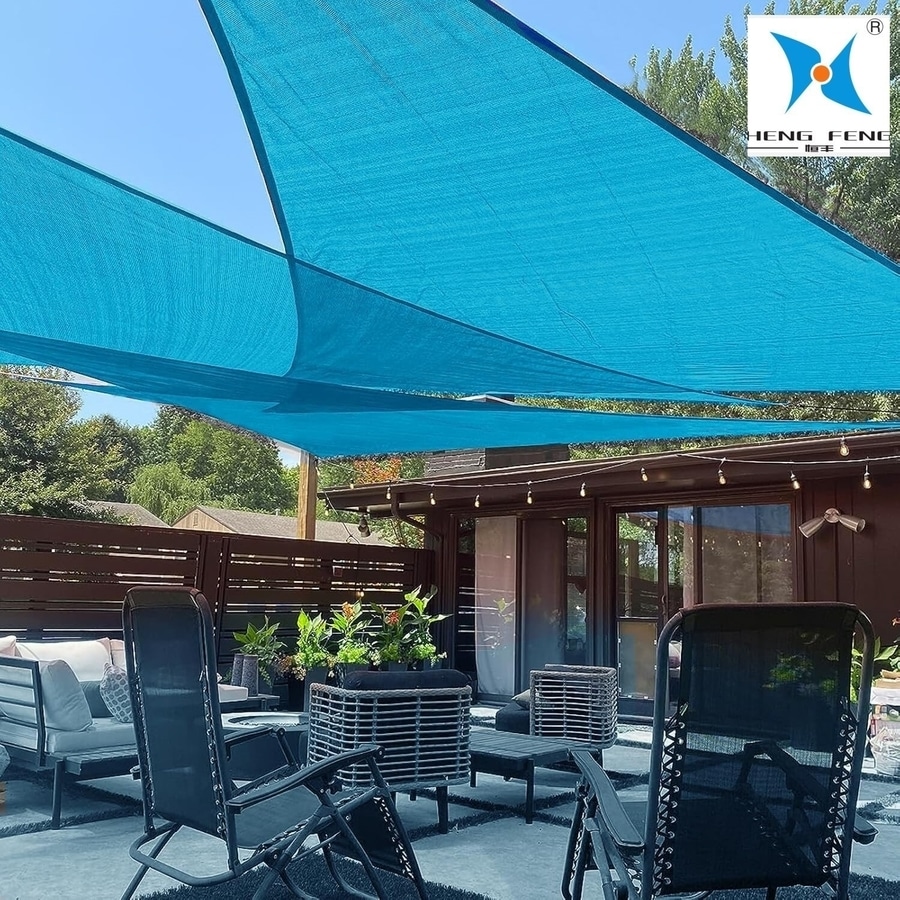
- Residential: patio, deck, backyard, swimming pool area
- Commercial: restaurant & café terraces, hotel resorts, playgrounds, car parks, public plazas
- Projects: schools, parks, event venues
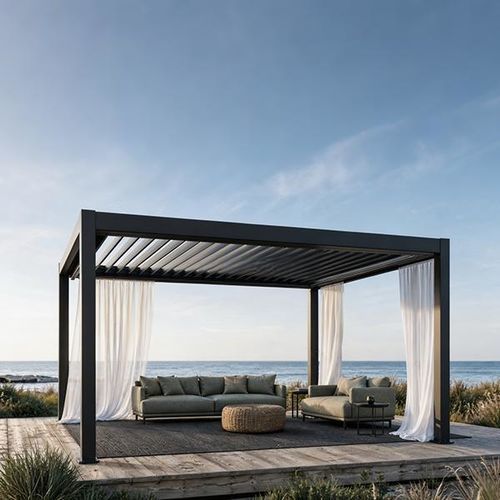
Compared with solid metal pergolas or fixed roofs, shade sails have lower weight, simpler foundation requirements, flexible custom sizing and richer colour options. They serve as both sun protection and landscape architectural elements.
Installation & Maintenance Tips
1. Always install with a slope, to let rain run off.
2. Maintain proper tension; over-tensioning breaks fabric or posts; insufficient tension causes flapping in wind.
3. Clean periodically with water and mild detergent; avoid harsh bleach.
4. In extreme winter, heavy snow or strong storm regions, removable sails should be taken down for storage to extend lifespan.
Global Market Trend
The global shade sail market keeps growing, driven by outdoor living trends, rising UV safety awareness and urban heat island mitigation. North America accounts for about 45% market share, Europe around 30%. Middle East and Australia are high-demand markets due to strong solar radiation. Buyers are increasingly looking for custom sizes, colour customization, recycled eco HDPE and integrated architectural design. Commercial buyers require longer warranties, marine-grade hardware and compliance with local wind-load standards.