#Industry News
BORVO unveils an autonomous urban oasis integrating atmospheric water generation
A new generation of impact-driven urban furniture
As heatwaves become more frequent and intense, public, tourist and urban spaces need to evolve quickly. The challenge is no longer only to design outdoor areas, but to create places that are more comfortable, more vibrant and more resilient — without necessarily relying on heavy works or complex infrastructure.
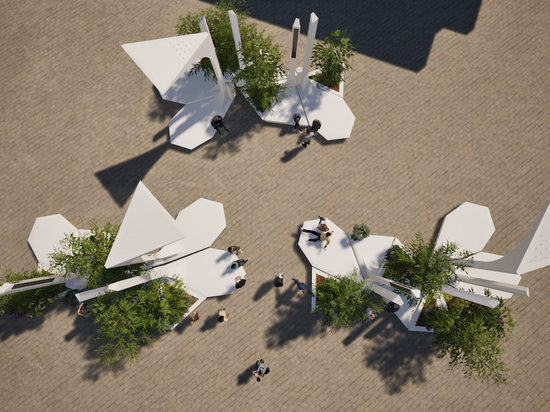
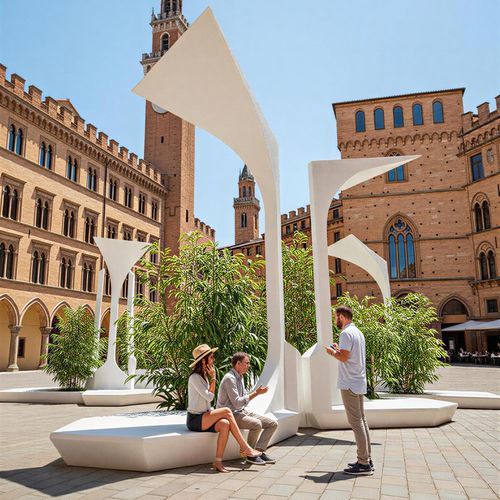
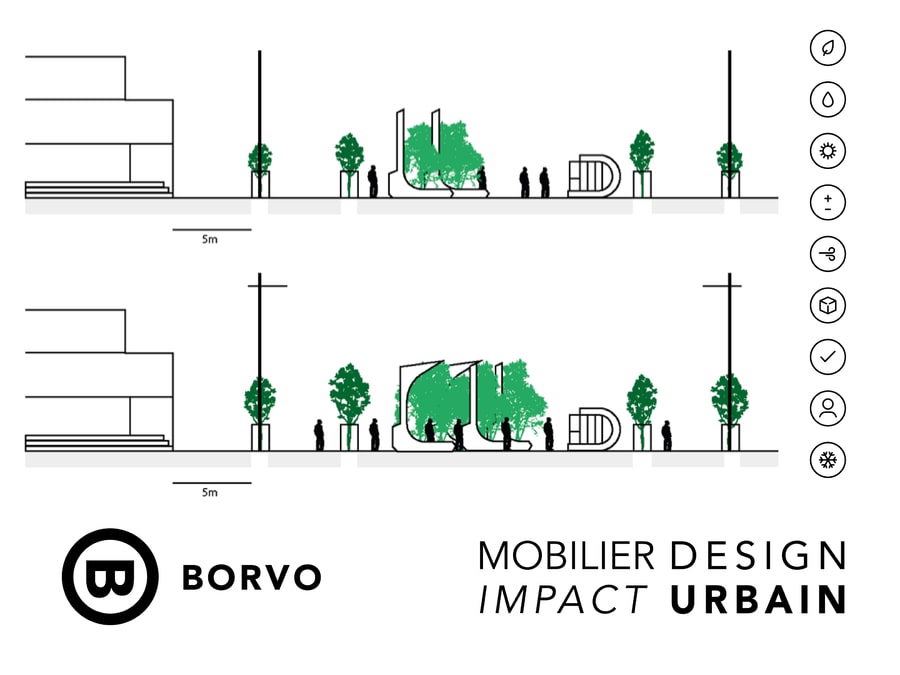
With this ambition, BORVO is developing a new generation of impact-driven urban furniture: modular, reversible and scalable urban oases designed to bring cooling, vegetation, new uses and data into outdoor spaces.
Producing a useful resource locally :
BORVO is now unveiling a key technological component of its approach: an atmospheric water generation module, designed to extract humidity from the air in order to produce a local water resource.
Integrated into a broader system, this AWG module opens up new possibilities for cooling, irrigation, storage and environmental monitoring. The aim is not to treat water as an unlimited resource, but rather to make better use of what each site can already offer: ambient air, local climatic conditions, natural cycles and the real needs of the place.
This approach makes it possible to imagine outdoor installations that are more autonomous, more resource-efficient and better adapted to the contexts in which they are deployed.
A lightweight response to new climate challenges :
BORVO’s objective is not to replace existing networks, but to offer a complementary, lightweight and adaptable solution that can support sites in their climate transition.
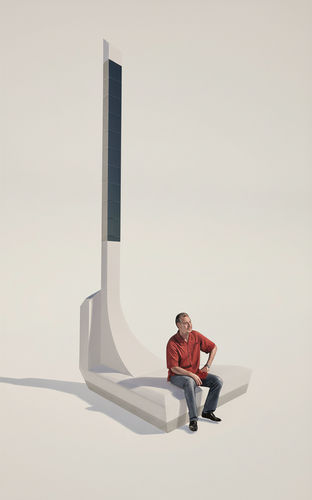
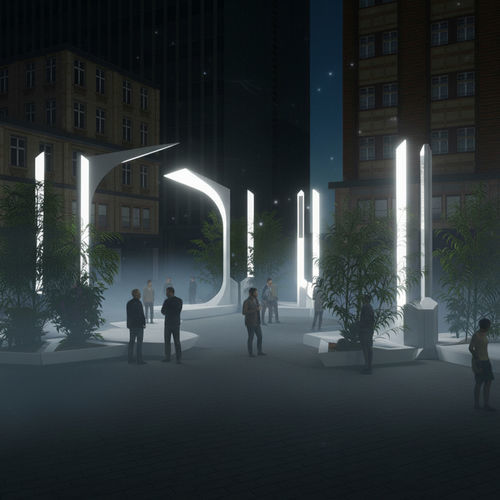
A BORVO oasis can combine several functions within a single system: vegetation, misting, seating, shade, lighting, atmospheric water generation, rainwater harvesting, IoT sensors and usage monitoring. Each configuration can therefore be designed according to the site’s constraints, exposure, visitor flows, reception needs and existing level of equipment.
This modularity makes it possible to consider progressive deployments, without freezing the layout from the outset. Urban furniture becomes a flexible infrastructure, able to evolve over time, be observed, adjusted and enhanced according to feedback from the field.
Measuring to better adapt :
BORVO’s approach is also based on a strong belief: an installation should not only be deployed, it should be monitored.
Temperature, humidity, water production, consumption, perceived comfort, footfall and user feedback: the data collected helps better understand the system’s behaviour and its real impact on the site. This measurement-driven approach supports the development of BORVO oases and helps document their concrete contribution to summer comfort, quality of use and climate adaptation.
Urban furniture as local infrastructure :
This new step reflects a simple conviction: urban furniture can become more than equipment. It can become local infrastructure — capable of producing, cooling, greening, measuring and improving the experience of a place.
Through this approach, BORVO aims to open a new path for local authorities, ports, tourist destinations, developers and private stakeholders looking to adapt their outdoor spaces to new climate challenges, without compromising quality of use, resource efficiency or modularity.