#Industry News
World Trade Centre The Hague: How the Málaga Furniture Collection Transforms Spaces into Unique Experiences
World Trade Centre: Sustainability Meets Málaga Design
The World Trade Centre (WTC) in The Hague is one of the most dynamic business epicenters in the Netherlands. Thousands of professionals walk its halls every day to work, meet, and create opportunities. But even in such a corporate environment, well-being and beauty matter.
That's why, when the center decided to renovate its interior garden, it opted for a transformation that combined sustainability, aesthetics, and functionality.
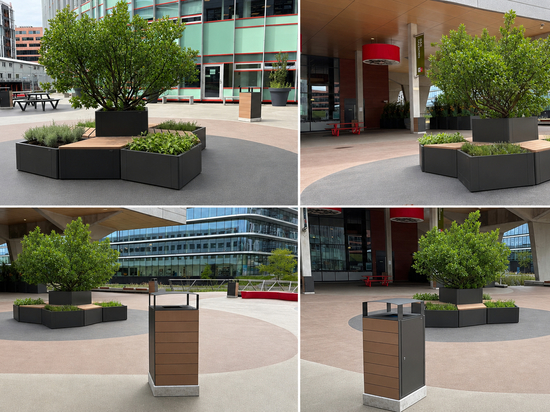
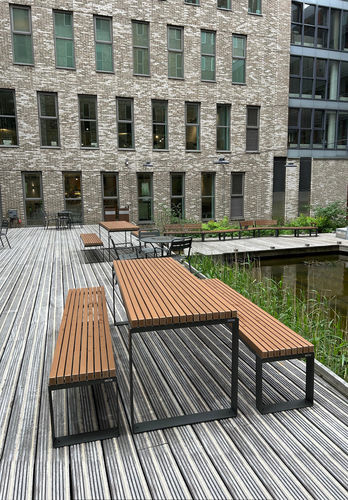
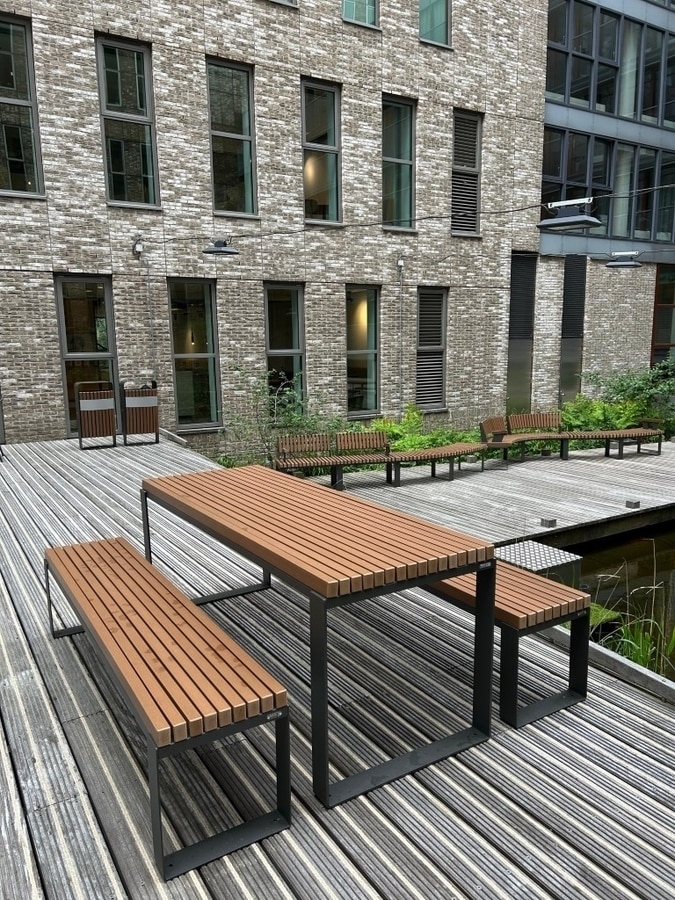
The result: the installation of the Málaga picnic table, the Málaga bench, and the Málaga recycling bin—three pieces of urban furniture manufactured by Cervic Environment that have turned this space into a true urban oasis.
World Trade Centre: The Business Heart of The Hague
The World Trade Centre The Hague is located in the modern Beatrixkwartier district, one of the city's most vibrant and sustainable areas. With over 42,000 square meters of office space, the building houses more than 180 international companies, a conference center, coworking spaces, restaurants, and break areas.
Since its inauguration in 2010, it has established itself as a hub for innovation and global business relationships. It is also part of the global World Trade Centers Association network, which is present in over 300 cities and 90 countries.
Its philosophy is clear: create environments where businesses thrive and people feel inspired. And that's where the Málaga furniture comes in.
Sustainable Furniture for an Unpredictable Climate
In the Netherlands, the weather can turn from sun to wind or rain in a matter of minutes. Therefore, the outdoor furniture for the World Trade Centre had to be durable, versatile, and low-maintenance.
The products from Cervic Environment's Málaga line were a perfect fit for this challenge, thanks to the use of galvanized steel combined with WPC (Wood Plastic Composite):
An innovative material made from locally sourced rice husks and recycled polymers, which combines the beauty of natural wood with extreme resistance to water, salinity, and temperature changes.
Furthermore, WPC is maintenance-free, does not splinter, and will not fade over time. It is perfect for a public space where elegance and durability go hand-in-hand.
Málaga Picnic Table: Where Ideas Are Born
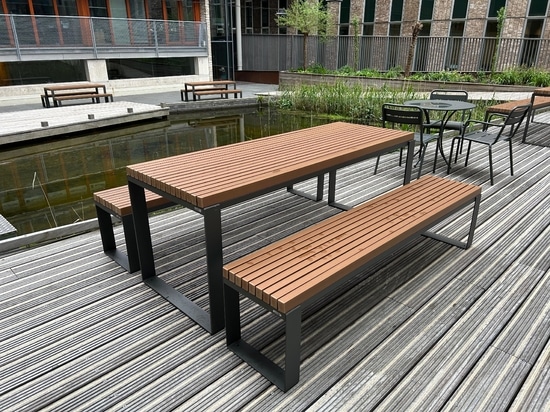
The Málaga picnic table combines contemporary design and functionality. Its galvanized steel structure with an anti-corrosion coating and its WPC synthetic wood slats provide a warm, natural aesthetic.
What's most interesting is its modular and inclusive design:
• Wheelchair accessible, thanks to the adapted side space.
• Available with a connection kit that joins the table to the benches, facilitating communal use during events or group breaks.
• Made entirely in Spain with recycled and recyclable materials.
With this table, coffee breaks at the WTC are no longer just a routine moment but an opportunity for connection and inspiration.
Málaga Bench: Comfort with a Mediterranean Soul
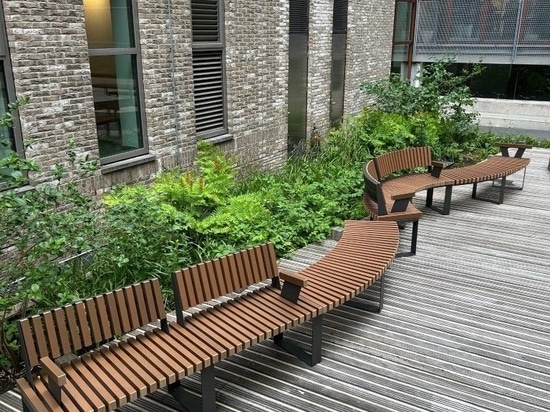
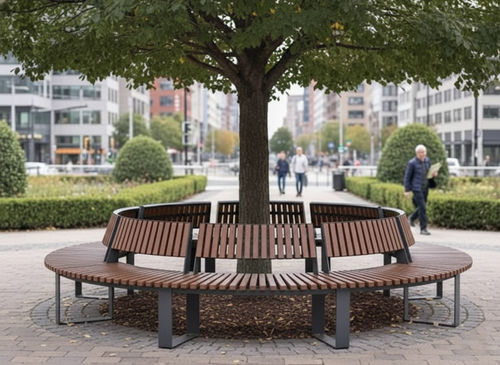
The Málaga bench is synonymous with versatility. Its modular design allows for creating curved, linear, or circular compositions, adapting perfectly to the WTC's interior garden environment.
Each bench can include an inner or outer backrest and armrests, and is available in three ecological finishes: ReciPlast (recycled plastic), tropical wood, or WPC.
What truly stands out is its ability to create fluid and natural social spaces, where WTC workers can relax, chat, or simply enjoy the urban landscape under The Hague's typically cloudy sky.
Málaga Recycling Bin: Sustainability with Style
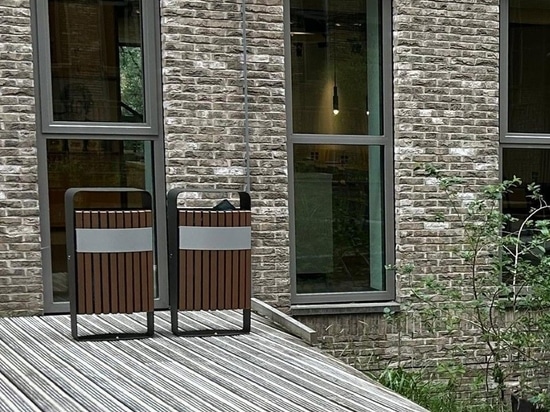
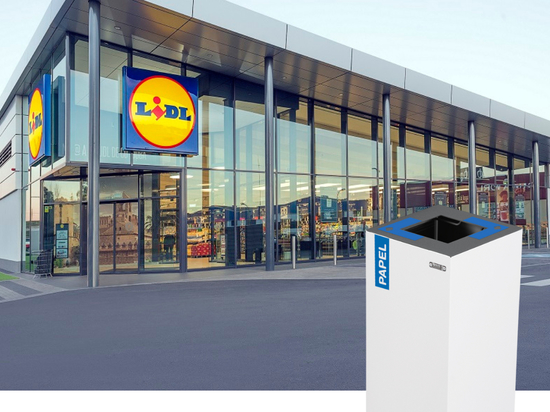
In a building that houses hundreds of professionals from different countries, waste management is essential. That's why the World Trade Centre integrated the Málaga selective recycling bin, a 75-liter modular system that allows for sorting any type of waste: paper, plastics, organic matter, general waste, etc.
Made entirely of galvanized steel, or combining this steel with tropical wood, WPC, or recycled plastic slats, it includes:
• A locking, tilting system for easy emptying.
• Waste identification on both sides with universal icons and colors.
• An optional top ashtray for outdoor use.
Thanks to these bins, the WTC reinforces its commitment to sustainability and the circular economy, reducing waste and encouraging recycling among its occupants.
The Power of WPC: Responsible, Maintenance-Free Design
One of the main stars of this installation is WPC (Wood Plastic Composite), a material that combines natural waste and recycled polymers.
Its advantages are notable:
• Sustainable: Uses agricultural by-products and is 100% recyclable.
• Durable: Resists the humidity, salt, and cold of the Dutch climate.
• Aesthetic: Mimics the texture and color of natural wood.
• Maintenance-Free: Requires no upkeep.
With this material, Cervic Environment demonstrates that urban design can be beautiful, functional, and respectful of the planet.
The World Trade Centre as a Model for Urban Well-being
The World Trade Centre The Hague project is not just an aesthetic renovation. It is a statement of intent: workspaces can also be sustainable, inclusive, and welcoming.
The combination of the Málaga picnic table, the Málaga bench, and the Málaga recycling bin has created an environment that invites people to stay, share, and connect. A place where efficiency blends with beauty, and nature dialogues with modern architecture.
In a country where the sun is rarely seen, every ray counts. And thanks to this furniture, the WTC's interior courtyard shines every day.