#Industry News
AN INNOVATIVE LIGHTING SYSTEM FOR RESTRICTED EXHIBITION SPACES
THE BRILLAMENTI® PROJECT AT PALAZZO DELLE CONTESSE
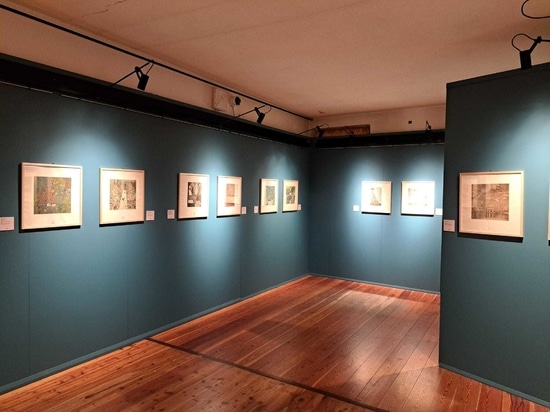
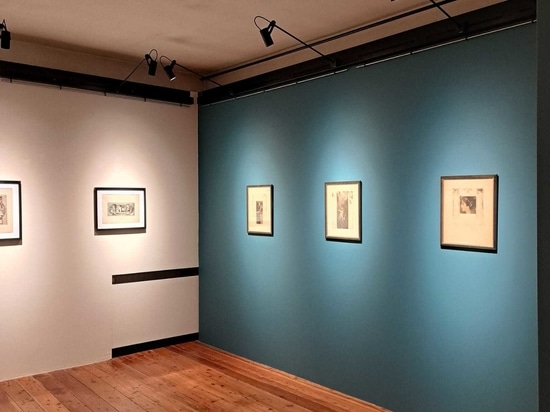
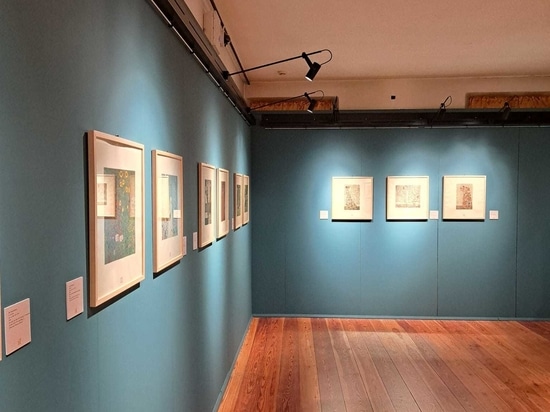
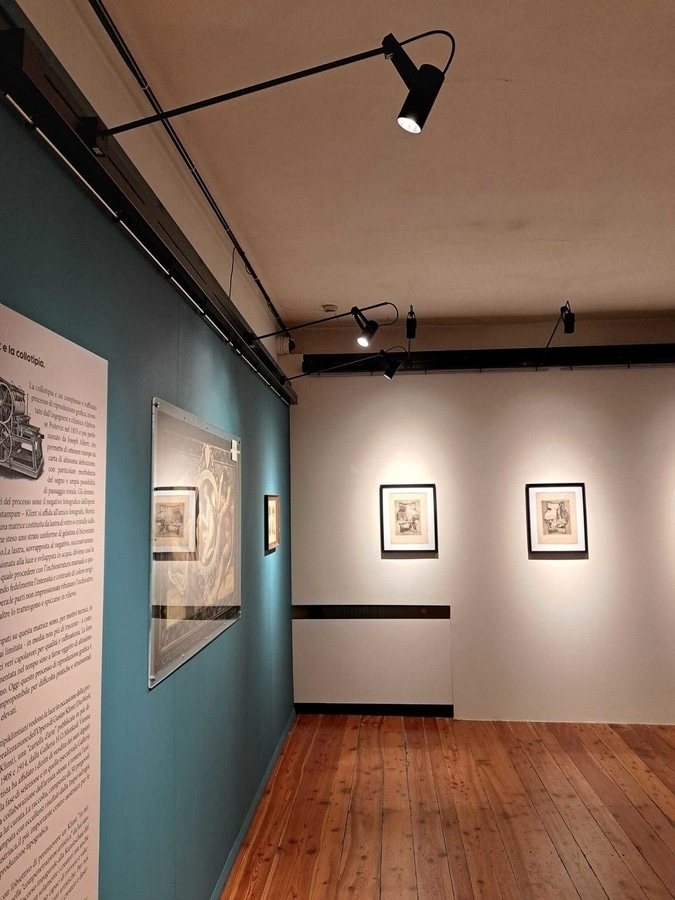
Brillamenti® presents a technical solution designed and engineered for the illumination of exhibition and museum spaces, developed to ensure display flexibility, preservation of historical structures, and optimal visual enhancement of artworks.
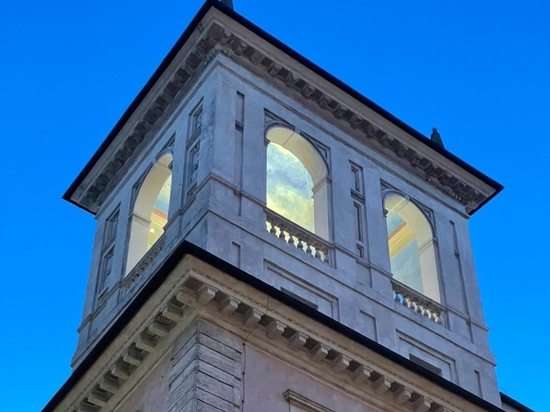
The system has been installed in the exhibition halls of Palazzo delle Contesse in Mel (Belluno), a seventeenth-century residence subject to historical and architectural protection constraints, overlooking the main square of one of Italy’s most beautiful villages.
Given the building’s heritage protection status, the lighting system was conceived to guarantee maximum flexibility of use without altering or compromising the original masonry structures in any way.
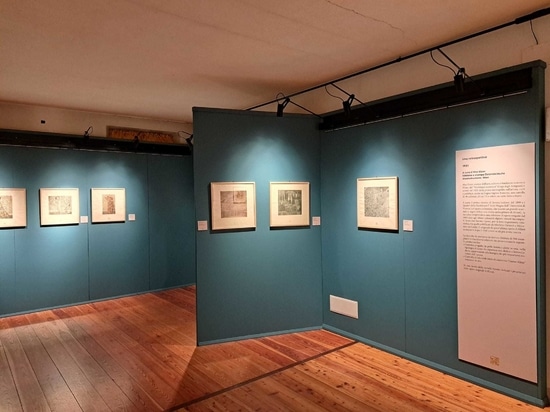
The adopted solution features a modular metal wall-mounted structure on which the lighting fixtures can be positioned and adjusted at three different heights, according to specific exhibition needs, with full tilt and multidirectional orientation capabilities.
The structure is also designed to allow the anchoring of artworks, avoiding any direct intervention on the protected historical walls.
This configuration makes it possible to combine cultural heritage preservation with maximum display flexibility, complying with regulatory requirements and enhancing the visual perception of the works.
Summary of main technical features:
• Type of lighting fixtures: low-consumption LED spotlights mounted on rods, individually dimmable sources, color temperature 2950–3150K, color rendering index CRI ≥ 90 SDCM 3, power consumption 9W.
• Luminous flux: individually adjustable according to display requirements, up to 1200 lumens per spotlight.
• Optics: zoom range from 13° to 48°.
• Vertical adjustment: three height levels to adapt to artworks of different dimensions.
• Horizontal adjustment: 530mm – 640mm.
• Orientation: fixtures can be freely oriented in all directions and tilted to minimize light reflection on artworks.
• Support structure: modular wall-mounted system made of painted steel, allowing artworks to be suspended without any intervention on the original walls.
• Display flexibility: each spotlight can be repositioned or integrated without modifying the existing structures, ensuring adaptability for both temporary and permanent exhibitions.
• Control system: each light point can be individually managed via Bluetooth Low Energy (BLE) control system, a low-power wireless technology available in all modern smartphones and tablets.
The exhibition halls currently host, for a unique event in Italy (October 25, 2025 – January 6, 2026), seventy works dedicated to Gustav Klimt, one of the most iconic and fascinating artists of the twentieth century.