#People
Cyril Rumpler Self-taught designer Autodidacte du design
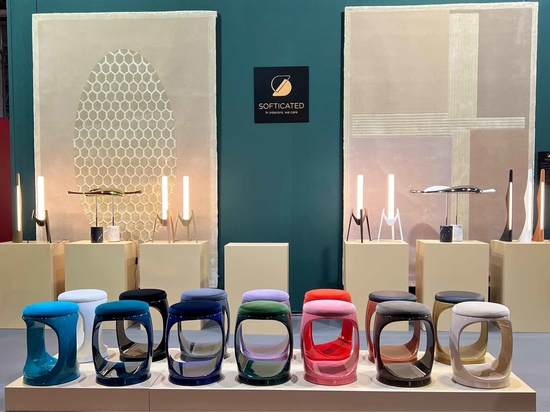
Cyril Rumpler, self-taught designer and founder of premium furniture, lighting and rug brand Softicated, shares his insights.
How does someone go from a career in pharmaceuticals to furniture design? What inspires a passion for beauty in a functional context? Where does the vision that fuels creativity come from? Cyril Rumpler, self-taught designer and founder of premium furniture, lighting and rug brand Softicated, shares his insights.
After 20 years in the pharmaceutical industry, you became a designer and entrepreneur. That's quite the career change!
Throughout my time in the pharmaceutical industry, I was always creating things and drawing. I've always had this creative side, having been exposed to art and design from a young age through my godfather, who was an art dealer, as well as through reading and visits to museums with my parents. So, after 20 years in the pharmaceutical industry and some health issues, I decided to devote myself full-time to designing
functional, everyday objects.
In 2021, you launched Softicated in Milan, as a totally self-taught designer. How did you get started?
I immediately designed a complete range of furniture, lamps and rugs.
Where does your inspiration come from?
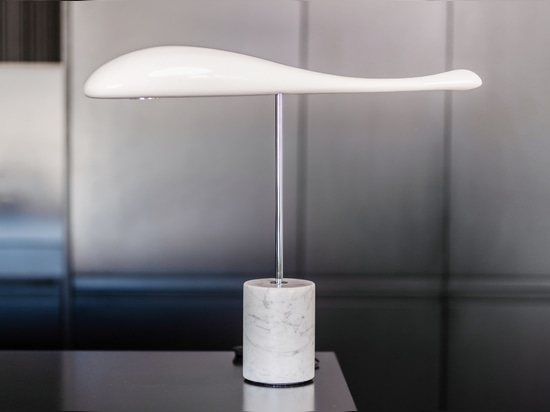
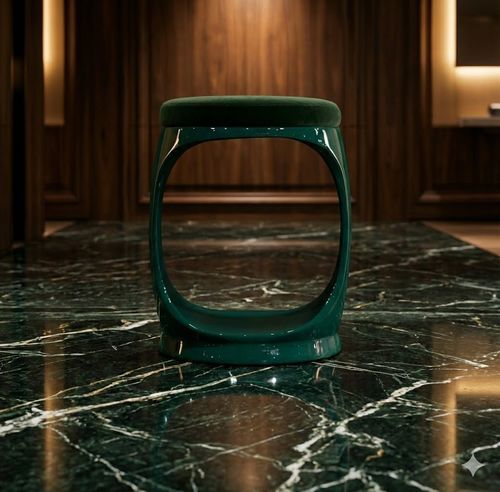
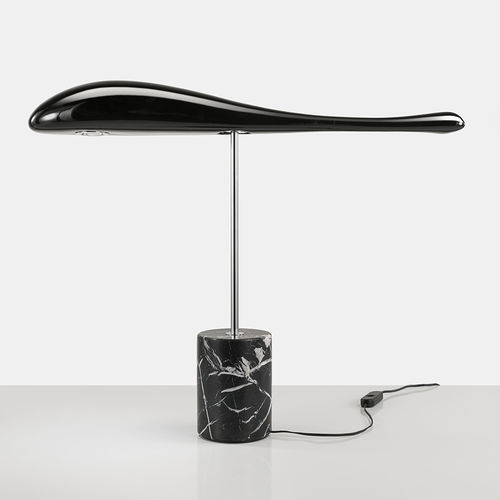
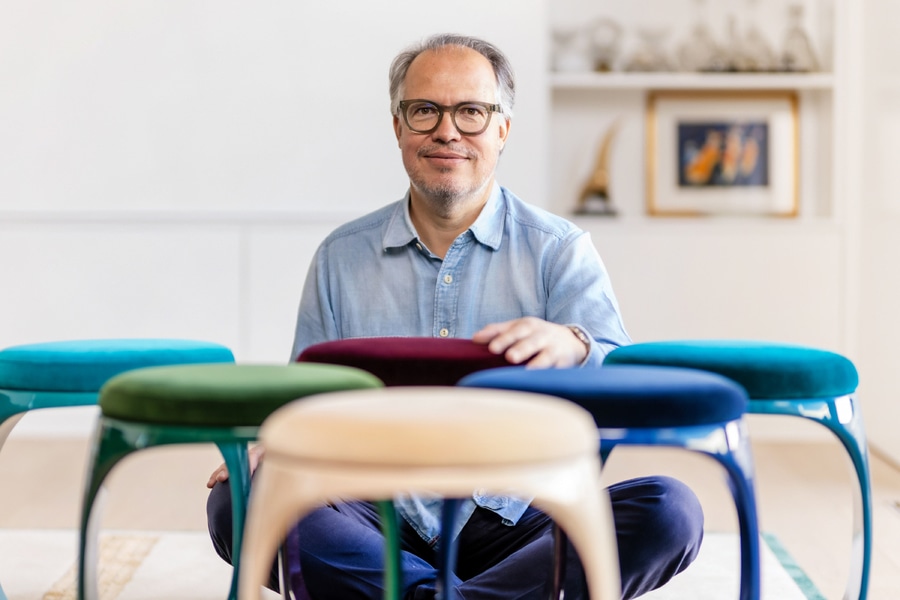
The objects I design are inspired by my childhood experiences, but also by nature and organic shapes, for example the Flying Fish Lamp. Sometimes, the idea comes from an everyday object that I see or own, like the signet ring that inspired the Signet Ring stool.
Can you take us through your creative process, from design to finished product?
After being sketched by hand, the object is modelled using computer-aided design software, which allows us to define its shapes, colours and the materials envisaged.
Once this stage is complete, a prototype or 3D print is produced in collaboration with our partner to test the craftsmanship, ergonomics and choice of shapes and materials. This process often involves close collaboration with engineers and craftspeople, sometimes requiring
adjustments or concessions to the initial design or even the materials used. Once the prototype has been approved, we can move on to the production phase.
Many creative people produce work in a non-linear way. Are there times when you tend to be more creative?
I am usually most creative at weekends and during holidays. There is something about these breaks that awakens my natural inspiration and stimulates both my creativity and my imagination.
What do you want to convey through your designs?
The idea of longevity. I create timeless pieces with the idea that they will be lived with and then passed on.
This means not just focusing on the design, creating objects that will stand the test of time and trends, but also taking care over the materials, using premium components that will last, such as ceramic, walnut,
sandblasted glass and metal. The pieces are made in Italy, France or Portugal but each and every one was designed in Geneva.